British Airways – Group WIKI
British Airways (BA) is the national flag carrier of the United Kingdom which is one of the most established international airlines of the world. BA is a closed-loop strategic leadership with intricate environmental, organisational and global factors, which define its strategic leadership, in operation in over 170 destinations under the scope of International Airlines Group (IAG) (Wills, 2022). This Wiki provides a critical analysis of the environmental and situational factors that affect the leadership of BA based on the recognizable theories and scholastic knowledge.
External Environmental Context
A PEST analysis reveals that the external influences play an important role in strategic leadership at BA (Asiamah, 2022). In terms of politics, the post-Brexit adjustments have changed both the regulatory alignment and the freedom of movements, and it needs fluid leadership that can deal with the uncertain conditions (Doganis, 2019). The pricing strategies and investments decisions are affected by economic pressures which include inflation, fuel price volatility and demand fluctuating. According to Doganis (2019), the airlines are highly sensitive to economic cycles, and airlines leaders have to consider both cost effectiveness and long-term competition.
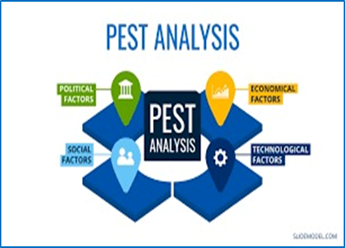
Post-pandemic demand includes social expectations such as demand of a personalised service and the convenience of digital as well as in-person services, which have been heightened (Srinivasan et al., 2023). BA has made investments in biometrics, automation and AI, but the biggest IT failures revealed the digital weaknesses in operations (Rhoades and Waguespack, 2008). The environmental pressures continue to play leading roles in BA strategy. The aviation sector is highly investigated regarding emissions, with BA aiming to be a Net Zero company by 2050, in line with the sustainability focus permitted by the global community, albeit the statement being claimed to be slow (Gössling and Upham, 2009). Leadership decisions are also influenced by the legal requirements of the EU261 regulations and standards of safety (Williams, 2017).